

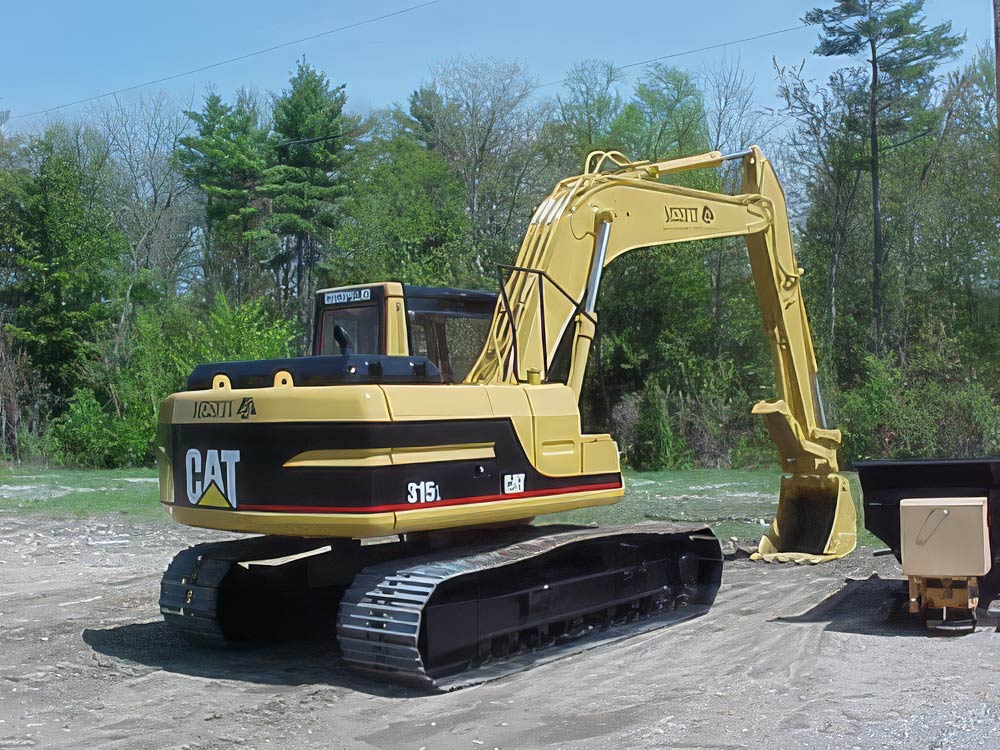
Heavy equipment in New Hampshire works through conditions that can accelerate wear quickly, from winter road salt and freezing temperatures to spring mud, summer jobsite dust, and year-round moisture. For contractors, municipalities, fleet operators, and equipment owners around Auburn, Manchester, Derry, and the surrounding region, consistent mechanical maintenance helps keep machines productive while catching problems before they become larger repairs.
Mechanical maintenance for heavy equipment in New Hampshire should focus on routine inspections, fluid and filter service, lubrication, undercarriage care, corrosion monitoring, and seasonal preparation. The right maintenance schedule depends on operating hours, equipment type, workload, and manufacturer recommendations, but local conditions make frequent inspection especially valuable.
What local equipment owners should know
-
Winter salt and deicing materials can collect on exposed metal, frames, undercarriages, fasteners, and other components.
-
Freeze-thaw conditions around Auburn and Rockingham County can create wet, muddy jobsites that increase the need for cleaning and inspection.
-
Hydraulic hoses, fittings, seals, and cylinders should be checked regularly for leaks, abrasion, cracking, and other visible damage.
-
Filters and fluids should be serviced according to manufacturer recommendations and actual operating conditions.
-
Surface deterioration should not be treated as purely cosmetic because corrosion can eventually affect the condition and serviceability of metal equipment.
Why Does Heavy Equipment Maintenance Matter in New Hampshire?
Heavy equipment maintenance matters in New Hampshire because machines routinely face moisture, road treatment chemicals, cold starts, temperature swings, mud, and demanding seasonal workloads. These conditions can increase wear and make small mechanical or corrosion problems more costly when they go unnoticed.
The New Hampshire Department of Transportation identifies salt as the primary material used on the majority of state-maintained roads, along with salt brine, calcium chloride, magnesium chloride, and other winter-treatment materials. NHDOT also maintains dedicated salt-use data for state roads.
That winter environment matters for equipment that travels on treated roads, performs snow work, loads salt or sand, or operates near road spray. Once warmer weather arrives, machines may move directly into muddy excavation, construction, landscaping, paving, or site-development work.
ARC Electrostatic Painting serves customers from Auburn, NH. When equipment needs more than routine mechanical attention and deteriorated metal surfaces require professional coating work, we can help address the protective finish side of equipment maintenance.
What Do Local Conditions Tell Us About Equipment Maintenance?
Local conditions show that winter exposure deserves a specific place in a New Hampshire heavy equipment maintenance program. NHDOT’s winter-maintenance resources document extensive use of salt and other deicing materials, making post-winter cleaning and corrosion inspections practical maintenance steps for equipment exposed to treated roads.
For perspective, NHDOT reported that its crews and contractors plowed and treated more than 1.71 million lane miles during fiscal year 2022, using approximately 194,600 tons of salt. That figure is historical and specific to NHDOT operations, but it demonstrates the scale of winter road treatment equipment may encounter in the state.
Operators should pay particular attention to areas where moisture, salt residue, dirt, and debris can remain trapped. Cleaning these areas also makes leaks, damaged components, loose hardware, and coating failures easier to spot.
How Does Poor Maintenance Affect Heavy Equipment?
Poor maintenance can reduce reliability, increase downtime, accelerate component wear, and allow corrosion or mechanical problems to progress unnoticed. For New Hampshire businesses that depend on loaders, excavators, skid steers, tractors, plow equipment, and other machinery, an unexpected failure can also interrupt scheduled work.
Mechanical problems rarely become more convenient by waiting. A small hydraulic leak can lead to fluid loss or contamination concerns. Neglected lubrication can increase friction and wear. Damaged hoses can deteriorate further. Corrosion can continue beneath failing paint or coatings when moisture reaches exposed metal.
The practical goal is not simply to make equipment look maintained. It is to keep machines dependable and identify deterioration while there are still reasonable maintenance or repair options.
What Are the Warning Signs Heavy Equipment Needs Attention?
Warning signs that heavy equipment needs maintenance include new leaks, unusual noises, excessive vibration, changes in operating temperature, visible corrosion, damaged hoses, and changes in normal machine performance. Operators around Auburn should include these conditions in regular walk-around inspections.
Watch for:
-
Hydraulic fluid, coolant, fuel, or oil where it should not be.
-
Cracked, abraded, swollen, or leaking hydraulic hoses.
-
Loose, damaged, or visibly deteriorated fittings and connections.
-
Grinding, knocking, squealing, or other unfamiliar sounds.
-
Excessive vibration or a noticeable change in machine response.
-
Rust bubbling beneath paint or coating that is peeling or flaking.
-
Heavy salt, mud, grease, or debris accumulation around components.
-
Uneven or abnormal wear on tires, tracks, or undercarriage components.
A change from the machine’s normal behavior is often worth investigating even when the equipment remains operational.
When Should You Call a Heavy Equipment Professional?
Professional service is appropriate when an inspection reveals leaks, significant corrosion, structural concerns, hydraulic problems, electrical faults, abnormal operating conditions, or repairs outside the operator’s training and equipment. Routine observation is valuable, but diagnosis and repair should stay within safe limits.
Operators can perform manufacturer-approved daily checks, monitor fluid levels, inspect visible components, clean accessible areas, and report changes in performance. Repairs involving pressurized hydraulic systems, major mechanical components, structural metal, or specialized diagnostics should be handled by qualified professionals.
For coating deterioration, widespread rust, or surfaces that require proper preparation and refinishing, professional coating service may also be the better approach.
What Commonly Causes Heavy Equipment Wear in New Hampshire?
The most common local contributors to heavy equipment wear include winter road chemicals, moisture, mud and debris, demanding operating conditions, and deferred maintenance. New Hampshire’s seasonal cycle means equipment can experience several different types of exposure within the same year.
1. Winter road treatment materials: Salt and chloride-based treatments used for winter maintenance can remain on equipment exposed to road spray or snow operations. NHDOT specifically documents the use of salt, brine, calcium chloride, magnesium chloride, and chloride blends.
2. Moisture and trapped debris: Wet dirt, snow, and debris can collect in areas that are difficult to see during a quick walk-around.
3. Muddy operating conditions: Spring conditions can coat undercarriages and conceal leaks, damaged hardware, and deteriorated finishes.
4. Heavy workloads: Construction, roadwork, landscaping, municipal work, and material handling can place sustained loads on hydraulic and mechanical systems.
5. Deferred cleaning and inspection: When equipment moves directly from one job to another, minor deterioration can remain hidden until it becomes more obvious.
How Can You Prevent Premature Heavy Equipment Wear?
Premature wear can often be reduced by combining manufacturer-recommended service with frequent cleaning, inspection, lubrication, and seasonal maintenance. In New Hampshire, equipment exposed to winter roads deserves particular attention before, during, and after the snow season.
Before winter, inspect fluids, batteries, hoses, fittings, tires or tracks, lighting, and visible coatings according to the equipment manufacturer’s requirements. During winter, remove accumulated salt and grime when practical and check frequently for leaks or new corrosion.
Spring is a useful time for a more thorough cleaning and inspection. Look closely at frames, steps, panels, attachment points, undercarriages, and other painted metal surfaces. Summer and fall maintenance can then address wear before the next cold-weather season begins.
What Results Should Good Maintenance Deliver?
Good heavy equipment maintenance should improve reliability, make developing problems easier to identify, and help preserve the machine’s usable condition. It cannot eliminate normal wear, but it can give owners and fleet managers better visibility into what needs attention and when.
A maintained machine should also be easier to inspect because heavy buildup, neglected leaks, and deteriorated surfaces are less likely to conceal problems.
Where exterior metal protection has deteriorated, proper surface preparation and recoating can become part of the broader maintenance strategy. The expected result is a renewed protective finish, not a substitute for mechanical repair.
What Heavy Equipment Maintenance Mistakes Should You Avoid?
The biggest maintenance mistakes are postponing inspections, treating corrosion as only cosmetic, ignoring manufacturer service intervals, and assuming a machine is healthy because it still runs.
Mistake: Waiting for a breakdown.
Consequence: Developing wear can progress until downtime becomes unavoidable.
Better approach: Use routine inspections and scheduled service to identify changes earlier.
Mistake: Painting directly over active rust or contamination.
Consequence: The underlying surface condition can compromise the new finish.
Better approach: Use appropriate surface preparation before applying a new coating.
Mistake: Ignoring winter residue.
Consequence: Salt, moisture, and debris can remain on difficult-to-see metal surfaces.
Better approach: Include cleaning and corrosion inspection in winter and spring maintenance.
Mistake: Using one schedule for every machine.
Consequence: Equipment with harsher duty cycles may require attention sooner.
Better approach: Follow manufacturer guidance while considering actual hours, applications, and operating conditions.
What Is a Common Heavy Equipment Maintenance Scenario in Auburn?
A common local scenario is a piece of equipment finishing a New Hampshire winter with salt residue, chipped paint, surface rust, and accumulated grime around the frame or undercarriage. The machine may still operate normally, but spring cleaning reveals areas that need closer inspection.
The owner should first determine whether any mechanical or structural repairs are necessary. Once those issues are addressed, deteriorated coated surfaces can be evaluated for preparation and refinishing.
This is not a specific ARC Electrostatic Painting project or case study. It is a representative maintenance situation based on conditions equipment can encounter locally.
What Services Can Help Protect Heavy Equipment?
Heavy equipment may require several different services, including mechanical repair, hydraulic service, cleaning, corrosion removal, surface preparation, and professional painting or coating. The correct service depends on whether the underlying issue is mechanical, structural, or related to surface protection.
Our role is focused on electrostatic painting and coating applications rather than replacing qualified mechanical maintenance. For suitable equipment and metal surfaces, professional refinishing can help restore a worn coating after the underlying condition has been properly evaluated and prepared.
How Do DIY Maintenance and Professional Service Compare?
DIY maintenance is best suited to routine checks and tasks specifically permitted by the equipment manufacturer, while professional service is appropriate for diagnosis, repair, specialized preparation, and work requiring trained technicians or dedicated equipment.
Daily walk-arounds, basic cleaning, visible leak checks, and fluid monitoring can help operators notice problems. More complex hydraulic, mechanical, electrical, structural, or coating work should be directed to the appropriate professional.
The most effective approach is often a combination. Operators notice changes early, mechanical professionals address equipment systems, and coating specialists address suitable deteriorated painted surfaces.
Where Does ARC Electrostatic Painting Serve Equipment Owners?
ARC Electrostatic Painting is based in Auburn, New Hampshire, with access to businesses and equipment owners throughout the surrounding southern New Hampshire area. Nearby communities include Manchester, Derry, Londonderry, Hooksett, Candia, Bedford, and other communities in and around Rockingham County.
For specific service availability at your location, contact us directly.
What Can Happen If Heavy Equipment Maintenance Is Delayed?
Delayed maintenance can allow leaks, wear, corrosion, coating failure, and other developing problems to worsen, potentially increasing downtime or the amount of repair required later. New Hampshire’s winter exposure makes postponing cleaning and inspection especially worth avoiding for equipment that regularly encounters treated roads.
The better strategy is to document problems as they appear, determine whether they are mechanical or surface-related, and address them in the correct order.
FAQ
How often should heavy equipment be maintained in New Hampshire?
Heavy equipment should be maintained according to the manufacturer’s required intervals, operating hours, application, and actual working conditions. Machines exposed to winter road treatment, snow operations, mud, dust, or demanding workloads may benefit from more frequent inspections. Daily operator checks can supplement, but should not replace, scheduled manufacturer-recommended service.
Does New Hampshire road salt affect heavy equipment?
Yes, equipment exposed to treated New Hampshire roads can come into contact with salt and other deicing materials. NHDOT identifies salt as its primary road-treatment material and also uses brines and chloride products. Cleaning exposed equipment and inspecting painted metal for deterioration can help identify areas requiring further attention.
What should I inspect after winter in Auburn, NH?
After winter in Auburn, inspect the equipment for salt and grime buildup, corrosion, peeling coatings, fluid leaks, damaged hoses, loose or damaged components, and abnormal tire, track, or undercarriage wear. A thorough cleaning can make these conditions easier to see before the machine enters a busy spring work schedule.
Can I paint over rust on heavy equipment?
Painting directly over rust is generally not a sound long-term coating approach because the underlying corrosion and loose material can interfere with coating performance. The surface should be evaluated and appropriately prepared first. If corrosion appears structural or affects critical components, have the equipment assessed before focusing on cosmetic refinishing.
When is the best time for heavy equipment maintenance in New Hampshire?
Heavy equipment needs year-round maintenance, but seasonal transitions are useful checkpoints in New Hampshire. Pre-winter service prepares machines for cold-weather operation, while spring cleaning can expose corrosion and damage from winter use. Maintenance should still follow manufacturer schedules rather than relying only on the calendar.
Is electrostatic painting suitable for heavy equipment?
Electrostatic painting can be suitable for certain metal equipment, components, and surfaces, depending on their size, condition, location, coating requirements, and preparation needs. ARC Electrostatic Painting can evaluate whether this application makes sense for a particular refinishing project rather than assuming every machine is an appropriate candidate.
Why inspect heavy equipment coatings around Rockingham County?
Equipment operating around Rockingham County can encounter moisture, winter road treatment materials, dirt, and changing seasonal conditions. Inspecting coatings helps identify chips, peeling, exposed metal, and developing corrosion. Coating inspection should be one part of maintenance alongside mechanical, hydraulic, electrical, and structural checks.
Should mechanical repairs or painting come first?
Necessary mechanical and structural repairs should generally be identified before final refinishing. There is little value in applying a new finish to an area that must immediately be disassembled, welded, repaired, or otherwise modified. Coordinating the sequence of repairs and coating work can help avoid unnecessary duplicate work.
Protect Your Heavy Equipment for New Hampshire Conditions
Heavy equipment around Auburn and southern New Hampshire has to work through demanding seasonal conditions, so maintenance should address both mechanical reliability and the condition of exposed metal surfaces. A consistent inspection and maintenance routine can help owners recognize deterioration before the next busy season.