

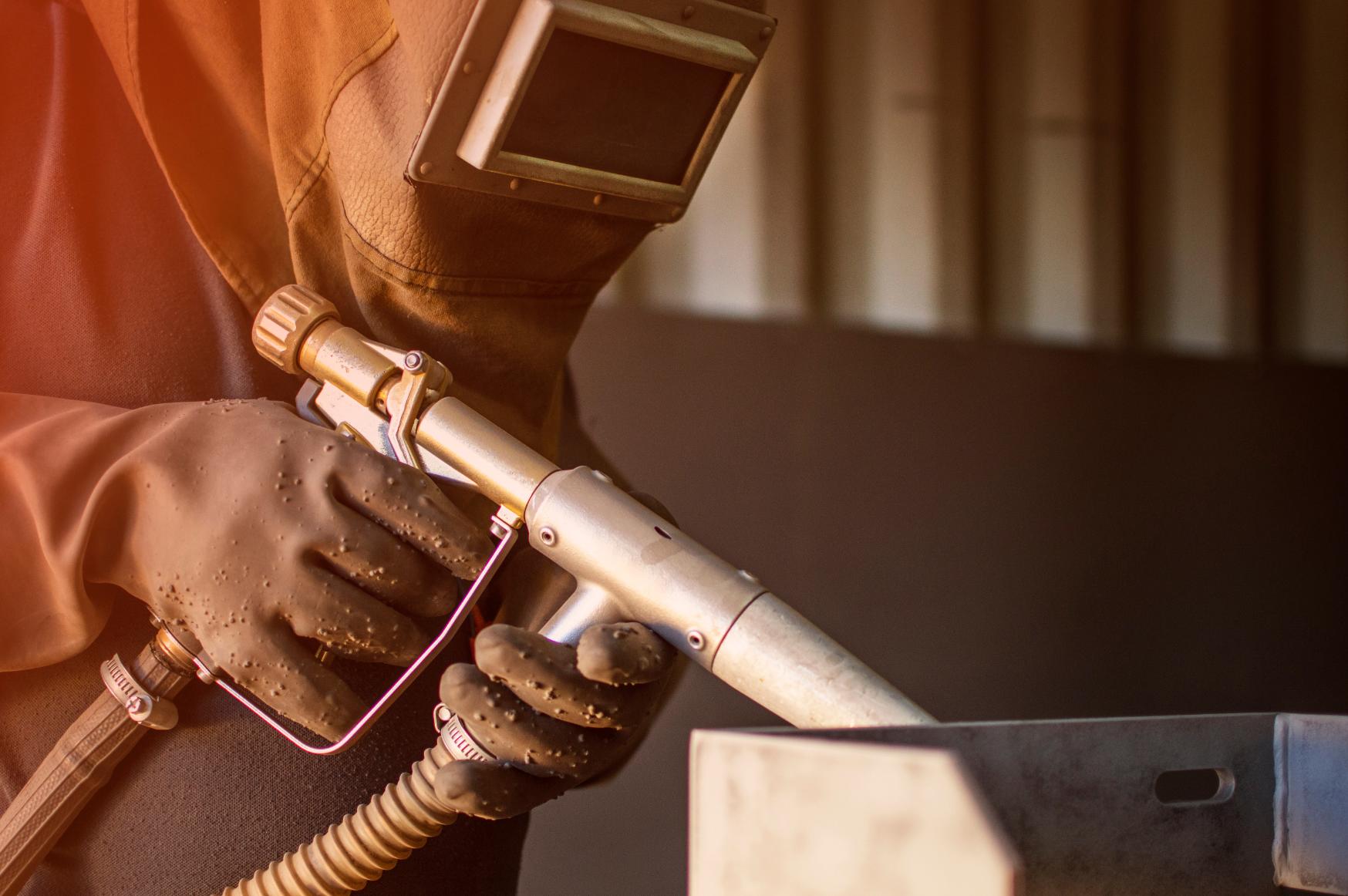
Commercial machinery is a significant investment, and keeping equipment in excellent condition helps reduce downtime, improve appearance, and extend service life. In and around Auburn, NH, manufacturing facilities, fabrication shops, and industrial businesses often face harsh operating conditions that cause coatings to wear, chip, or fail long before the equipment itself reaches the end of its lifespan.
Quick Answer
Proper sandblasting and surface preparation are essential because new coatings can only perform as well as the surface beneath them. Removing rust, corrosion, old coatings, oils, and contaminants creates the clean, properly profiled surface that allows industrial finishes to bond securely. Without thorough preparation, even high quality coatings are more likely to peel, blister, or wear prematurely.
What Local Businesses Should Know
-
Surface preparation directly affects how long a commercial machinery finish will last.
-
New Hampshire’s changing seasons and moisture levels can accelerate corrosion if equipment is not properly prepared before refinishing.
-
Industrial facilities throughout Rockingham County often operate equipment exposed to dust, chemicals, and heavy use that require specialized surface preparation.
-
Proper sandblasting helps reveal hidden damage that may need attention before refinishing begins.
-
Choosing the right blasting media depends on the machinery, substrate, and final coating system.
Why This Matters Locally
Proper surface preparation is especially important for businesses in Auburn, Manchester, Hooksett, Londonderry, Derry, and surrounding Southern New Hampshire communities. Equipment may be exposed to humidity during the summer, freezing temperatures during the winter, road salt during transportation, and continuous industrial use throughout the year. These conditions gradually weaken protective coatings and allow corrosion to develop beneath the surface.
For manufacturers, machine shops, warehouses, and processing facilities throughout Rockingham County and nearby Hillsborough County, refinishing machinery without adequate preparation often leads to avoidable maintenance costs and unnecessary production interruptions.
At ARC Electrostatic Painting, we understand that successful refinishing begins long before the first coat of paint is applied. Our process focuses on creating the right foundation so industrial coatings can perform as intended for commercial equipment throughout the region.
Local Field Observations
Professional field observations consistently show that coating failures are most often linked to inadequate surface preparation rather than problems with the coating itself. Equipment that arrives with layers of aging paint, corrosion, grease, or oxidation requires careful cleaning and abrasive blasting before refinishing can deliver lasting performance.
Facilities throughout Southern New Hampshire commonly operate forklifts, conveyors, fabrication equipment, machine frames, production machinery, and industrial cabinets that benefit from complete surface preparation before repainting.
Why Surface Preparation Matters
Proper surface preparation creates the foundation for a durable finish by removing anything that interferes with coating adhesion.
A professionally prepared surface provides:
-
Better coating adhesion
-
Improved corrosion resistance
-
Longer coating life
-
More consistent appearance
-
Reduced maintenance requirements
-
Better protection against moisture and chemicals
Without proper preparation, contaminants remain trapped beneath the coating, creating weak points that eventually allow peeling, bubbling, or rust to develop.
Warning Signs Your Machinery Needs Refinishing
Several visible signs indicate commercial equipment may benefit from professional surface preparation and refinishing.
-
Paint is peeling or flaking.
-
Rust is visible beneath the coating.
-
Surfaces feel rough or heavily oxidized.
-
Coatings have blistered or bubbled.
-
Equipment shows extensive scratches or impact damage.
-
Corrosion is spreading around welds or fasteners.
-
Previous repainting layers are separating.
-
Machinery no longer presents a professional appearance.
Addressing these issues early often helps prevent more extensive corrosion from developing.
When to Call a Professional
Professional refinishing is recommended when corrosion extends beneath the existing coating, equipment contains multiple failing paint layers, or machinery requires a high performance industrial finish.
While routine cleaning and basic inspections can be handled in house, abrasive blasting requires specialized equipment, proper containment, and experience selecting the correct blasting media for different substrates. Incorrect blasting methods can damage delicate components or fail to create the proper surface profile needed for coating adhesion.
Common Causes of Coating Failure
Several factors commonly contribute to premature coating failure on commercial machinery.
Surface Contamination
Oil, grease, dirt, and production residue prevent coatings from bonding properly.
Existing Corrosion
Rust continues spreading beneath new paint if it is not completely removed.
Improper Surface Profile
A surface that is too smooth may not provide enough mechanical adhesion for industrial coatings.
Moisture Exposure
Seasonal humidity and condensation throughout New Hampshire can accelerate corrosion if surfaces are not properly prepared.
Heavy Equipment Use
Constant abrasion, impacts, vibration, and chemical exposure gradually wear protective coatings over time.
Prevention and Maintenance Tips
Businesses can help maximize coating life by following several preventive practices.
-
Schedule regular inspections for signs of coating damage.
-
Clean machinery to remove contaminants before they accumulate.
-
Repair chipped coatings promptly before corrosion spreads.
-
Store equipment indoors whenever practical.
-
Schedule refinishing before extensive rust develops.
-
Use coating systems designed for the equipment’s operating environment.
Routine maintenance helps identify small issues before they become costly repairs.
What Results Should You Expect?
Proper sandblasting and surface preparation allow industrial coatings to achieve their intended performance.
Businesses can generally expect:
-
Improved coating durability
-
Better corrosion protection
-
Enhanced equipment appearance
-
Easier routine cleaning
-
Longer intervals between refinishing projects
Actual coating life depends on equipment usage, operating environment, maintenance practices, and the selected coating system.
Common Mistakes to Avoid
Painting Over Existing Rust
The consequence is continued corrosion beneath the new coating.
A better approach is completely removing corrosion before refinishing.
Skipping Surface Cleaning
The consequence is poor adhesion caused by trapped oils or contaminants.
A better approach is thoroughly cleaning and preparing the surface before blasting.
Using the Wrong Blasting Media
The consequence is potential surface damage or inadequate surface profile.
A better approach is selecting blasting materials appropriate for the specific substrate.
Focusing Only on Appearance
The consequence is overlooking underlying corrosion that continues damaging equipment.
A better approach is treating refinishing as both cosmetic improvement and long term asset protection.
A Common Local Scenario
A manufacturing facility near Auburn notices several production machines developing widespread paint failure around welded areas and high contact surfaces. Although the equipment remains operational, corrosion has begun forming beneath chipped coatings. Professional abrasive blasting removes deteriorated paint and rust, allowing the machinery to be refinished with a properly bonded industrial coating that restores both appearance and protection before corrosion becomes more extensive.
Related Service Solutions
Depending on equipment condition, several industrial finishing services may help extend machinery life.
These may include:
-
Abrasive sandblasting
-
Electrostatic painting
-
Industrial equipment refinishing
-
Protective industrial coatings
-
Corrosion removal
-
Surface preparation for repainting
-
Commercial machinery restoration
Comparing Your Options
| Option | Advantages | Limitations |
|---|---|---|
| Spot touch ups | Lower initial cost | Does not address widespread coating failure |
| Repainting without blasting | Faster process | Reduced adhesion and shorter coating life |
| Professional sandblasting and refinishing | Proper surface preparation, improved durability, longer lasting finish | Requires equipment downtime during refinishing |
Service Areas
We proudly serve commercial and industrial customers in Auburn, Manchester, Londonderry, Derry, Hooksett, Candia, Raymond, Chester, Rockingham County, and surrounding Southern New Hampshire communities.
The Cost of Waiting
Delaying refinishing allows corrosion to continue beneath damaged coatings. Over time, minor surface rust can develop into more extensive deterioration that requires additional repairs, longer downtime, and more expensive restoration work. Addressing coating issues early often helps preserve valuable commercial equipment.
Frequently Asked Questions
Why is sandblasting recommended before refinishing commercial machinery in Auburn, NH?
Proper sandblasting removes rust, failed coatings, and contaminants while creating the surface profile needed for strong coating adhesion. This preparation helps industrial finishes perform more effectively under demanding operating conditions.
Can machinery be repainted without removing the old coating?
Sometimes, but only if the existing coating remains sound and compatible with the new finish. If coatings are peeling, blistering, or rust is present, complete surface preparation typically produces better long term results.
Does New Hampshire weather affect commercial equipment coatings?
Yes. Seasonal humidity, temperature fluctuations, and moisture exposure throughout Southern New Hampshire can contribute to corrosion and gradual coating deterioration, particularly for equipment stored or operated in challenging environments.
How often should commercial machinery be refinished?
The appropriate schedule depends on operating conditions, equipment use, maintenance practices, and exposure to abrasion or chemicals. Regular inspections help determine when refinishing becomes necessary.
What types of businesses benefit from industrial machinery refinishing in Rockingham County?
Manufacturers, fabrication shops, warehouses, processing facilities, automotive businesses, and many industrial operations can benefit from properly prepared and professionally refinished equipment.
Why is surface preparation more important than the paint itself?
Surface preparation determines how well the coating bonds to the equipment. Even premium industrial coatings cannot perform as intended if contaminants or corrosion remain beneath the finish.
Protect Your Commercial Equipment with Professional Surface Preparation
Commercial machinery represents a major investment, and proper sandblasting is the foundation of a durable, long lasting finish. Thorough surface preparation helps maximize coating performance while protecting equipment from premature corrosion and unnecessary maintenance.
Ready to Restore Your Industrial Equipment?
A properly prepared surface delivers better coating performance and longer lasting protection.